Research
product design
community shared cold chain storage solution
A storage-hub solution to bridge last-mile drug delivery gaps in rural pharmacy deserts.
TL;DR
Work Type
Team of 5
Timeline
Sep 2024 - Nov 2024 (3 months)
Context
Design Sprint
Tools Used
Figma
Project Goal
The goal of the design sprint is to identify a critical, high-impact challenge in any industry, then devise a bold, 10× solution that radically transforms the problem.
key Challenge
Understanding the complex cold-chain ecosystem and navigating intricate cold-chain logistics that's completely outside of our realm of knowledge.
key Approaches
Secondary Research, Primary Research, Creative Matrix
background
1x Concept, 10x Impact: Rethinking AI + Healthcare Innovation

This project was a collaboration between CCA and a confidential R&D company based in Mountain View, CA.
Bound by NDA, I can’t reveal their name—but the mission was clear: to explore bold solutions that will result in 10x impact at the intersection of AI and healthcare.
Push boundaries. Dream big. Go wild & crazy.
the problem
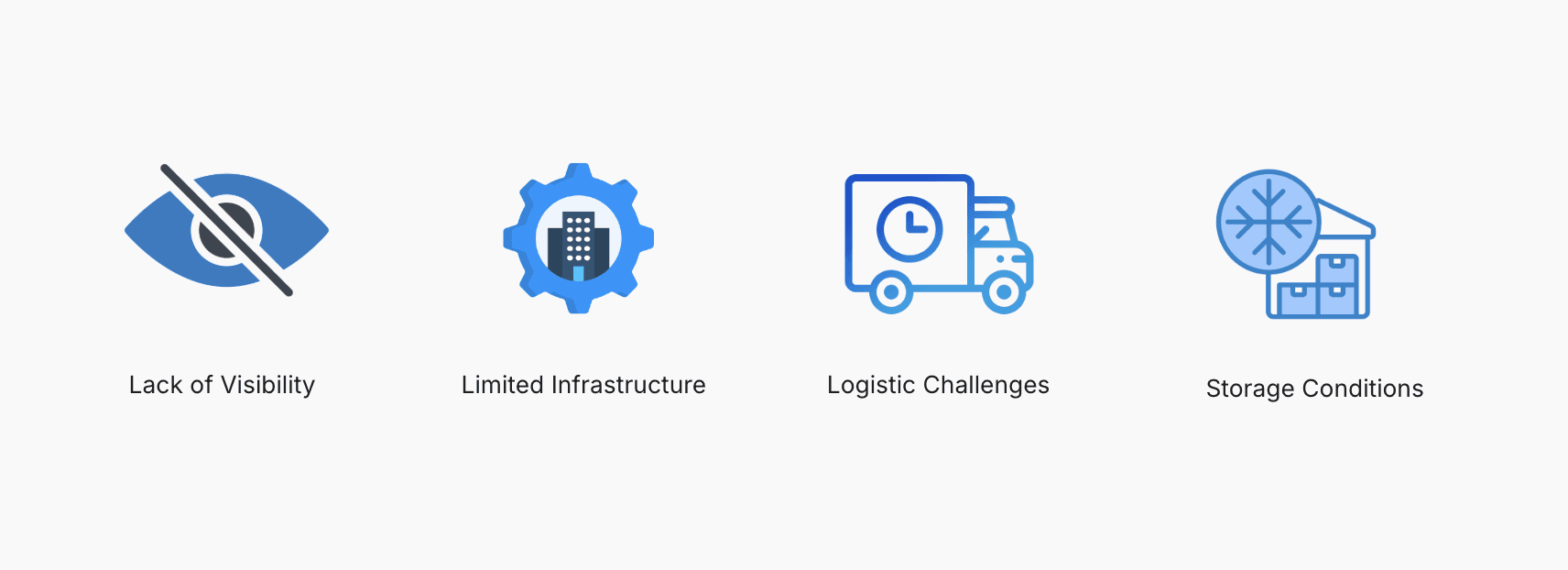
Lean by design: Tackling 3 Pains at Once
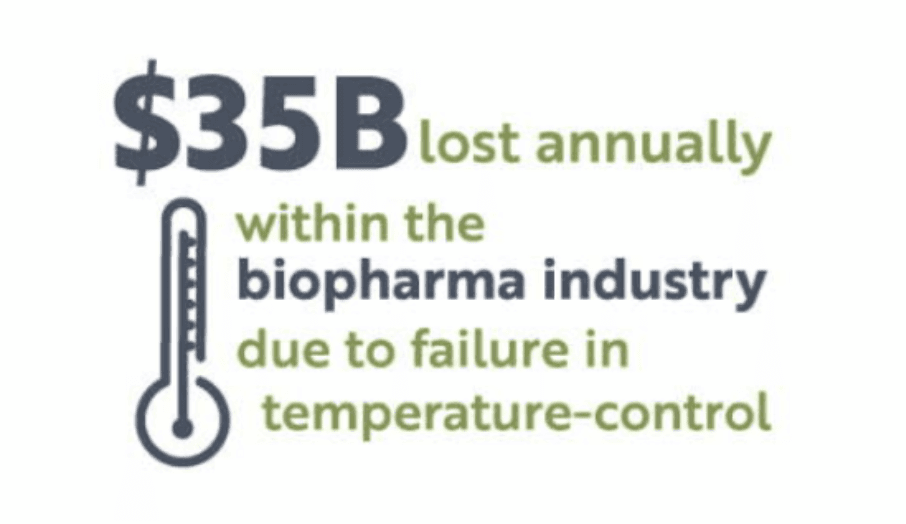
Why cold chain in biopharma industry?
Cold chain failures compromise both drug efficacy and patient safety. Solving this issue is crucial to reduce waste and ensure reliable access to life-saving treatments.
We believe the cold chain problem is significant enough to be a "10x" problem.
The Pharmacy Deserts
45% of U.S. counties lack pharmacy access.
45 million Americans live in a pharmacy desert. That’s an increase of over 9% since 2021, and the rate has outpaced population growth.
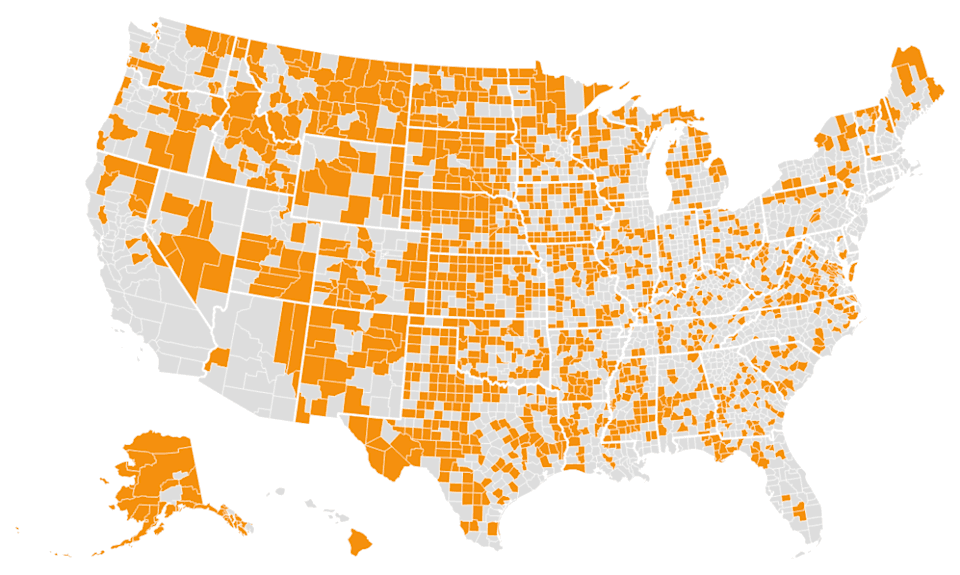
Source: GoodRx
Research
Last-mile Cold Chain Challenges: Integrity, Access & Affordability
Secondary Research
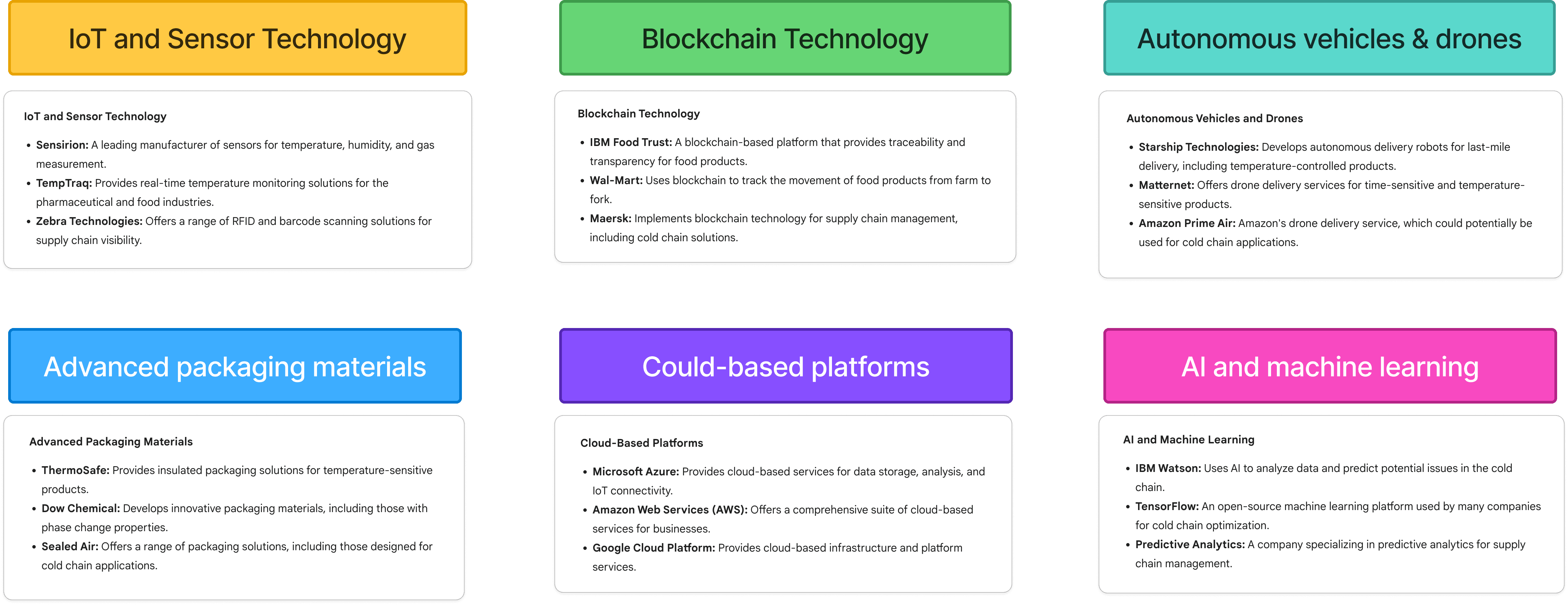
We looked at the current technologies evolving around cold chain from 6 perspectives:
Competitive Landscape
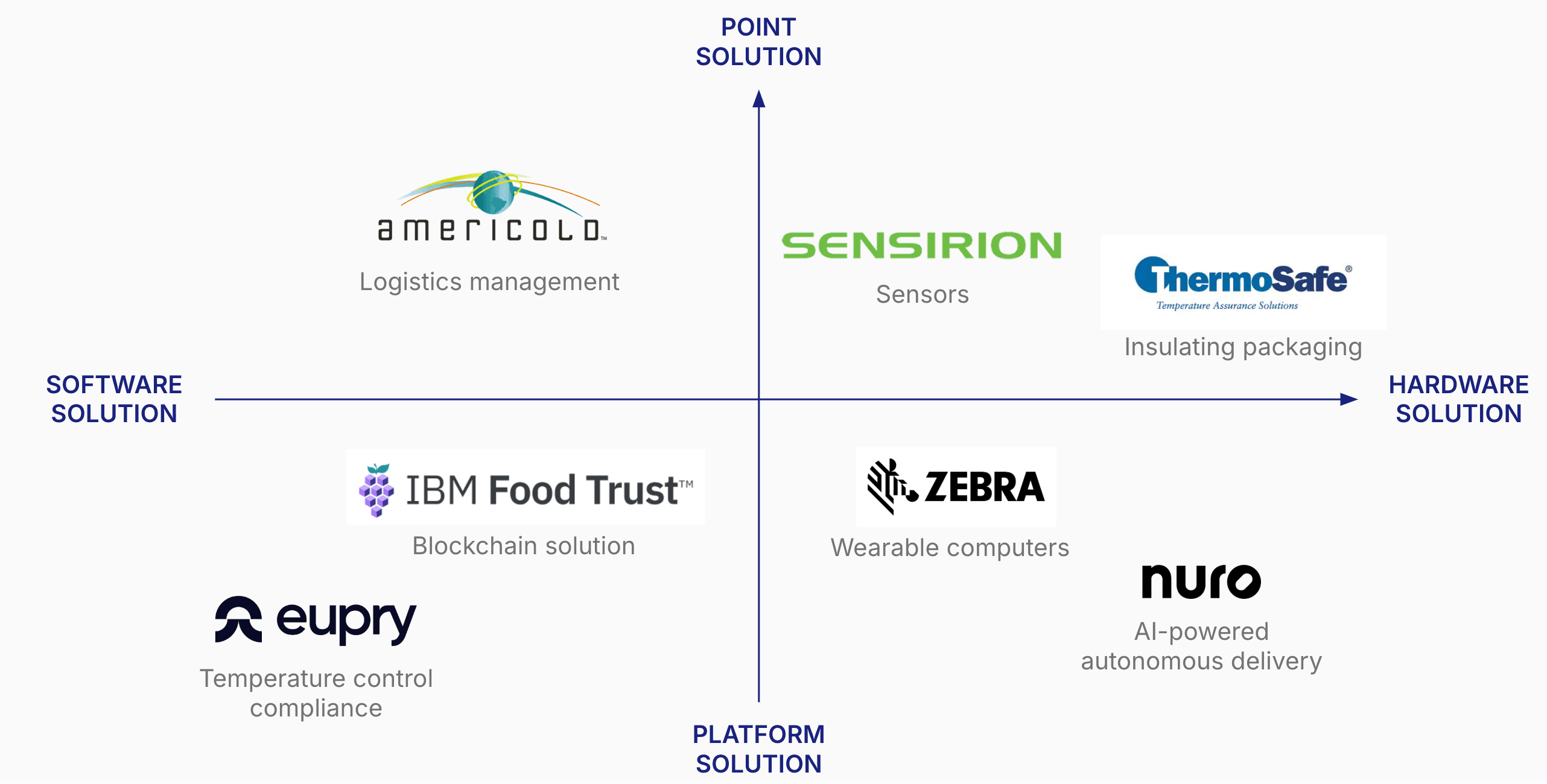
We examined all the existing companies in the market solving for cold chain problem in a competitive landscape.
Primary Research
We conducted in-depth primary interviews to uncover the root causes of last-mile challenges.
Interview #1: Pharmaceutical Expert
Insights:
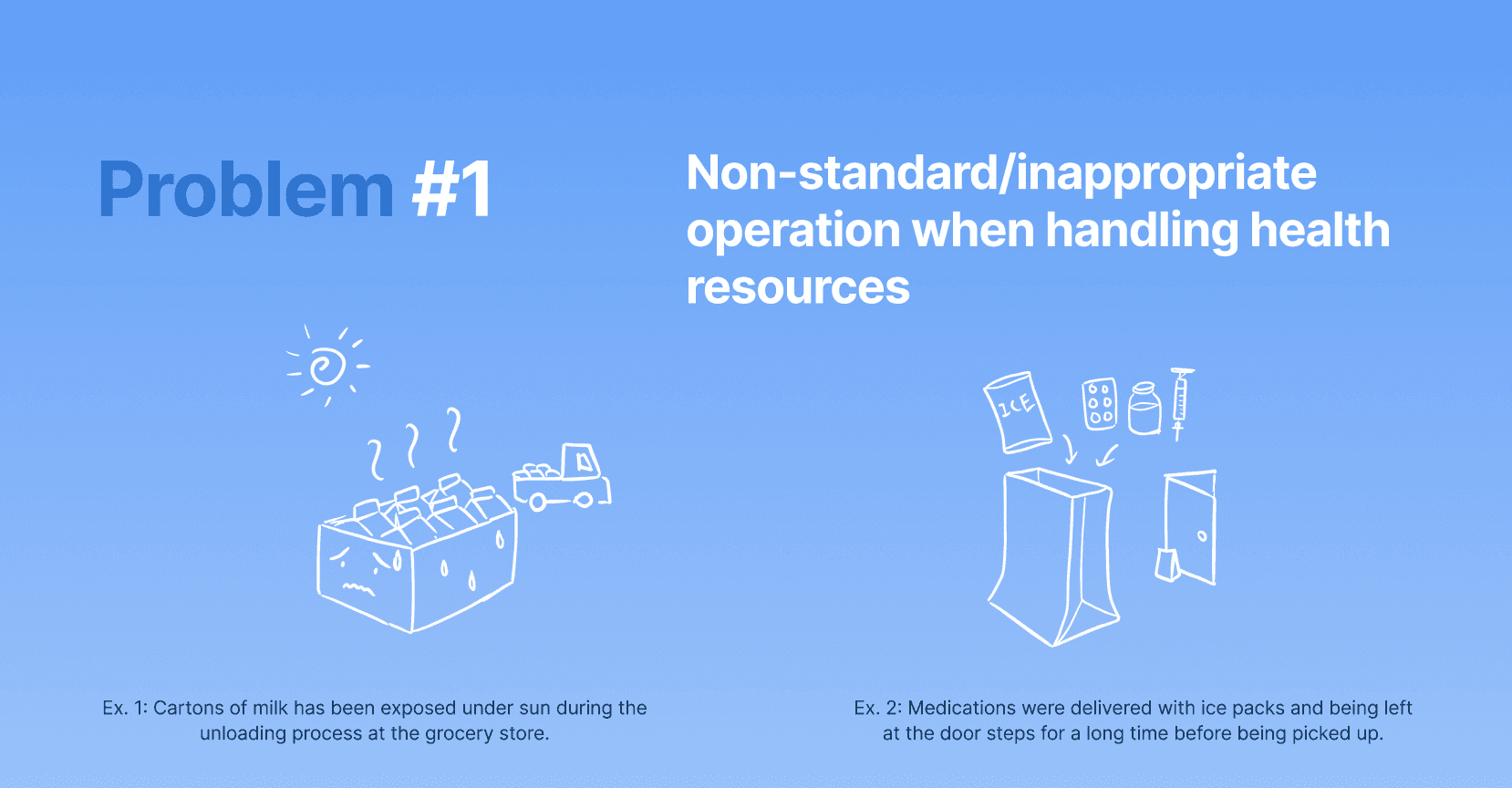
Non-standard operation
There’s little regulation/attention paid when it comes to the last mile transportation, compared to the procedures before.
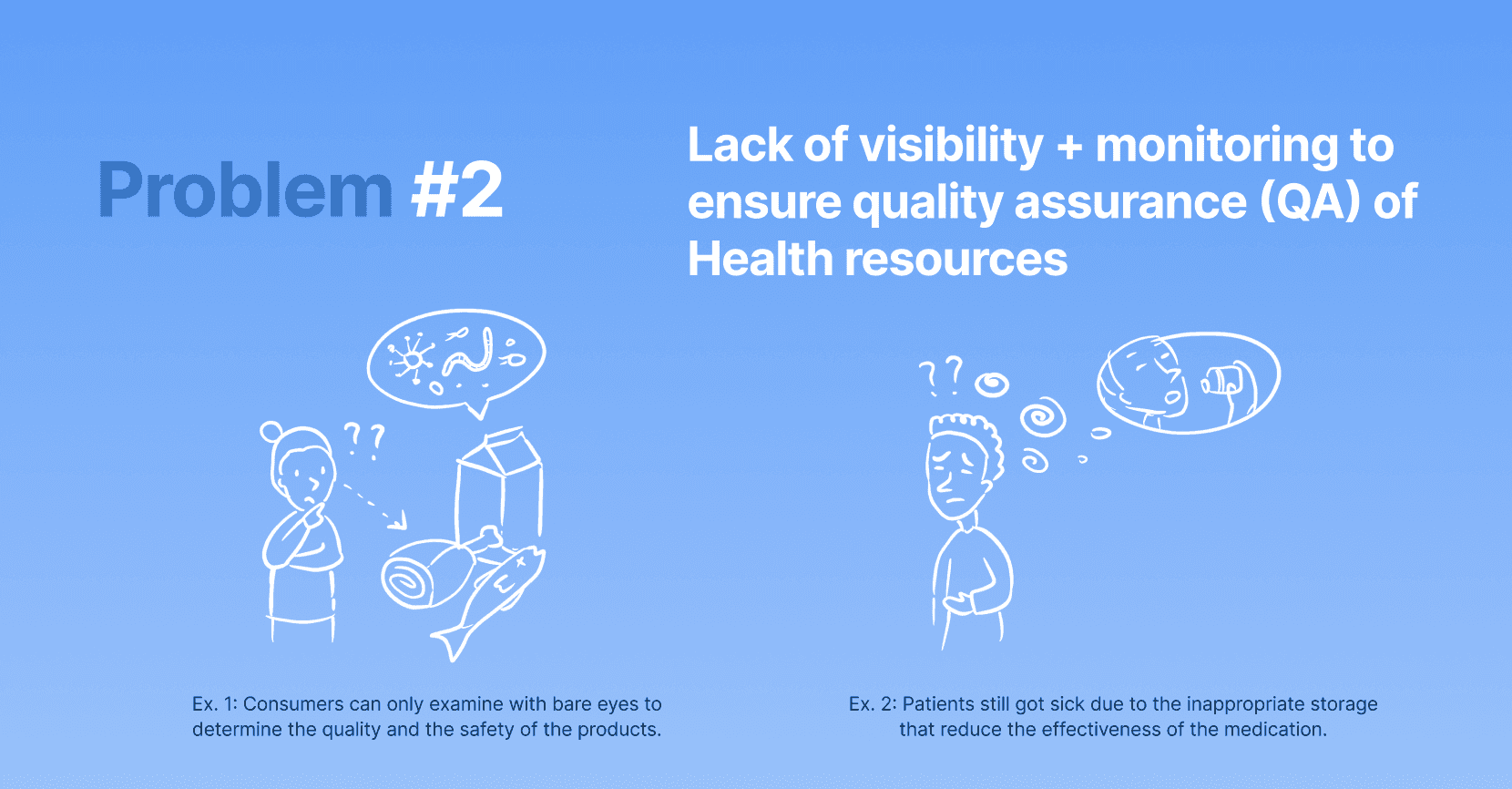
Unverifiable medication quality
When medications are shipped in bulks, there's no way to assure the integrity of individual medication.
Hard to measure the consequence
When medications are stored outside their required temperature range, the resulting patient risks and health impacts remain hidden
Smaller communities face larger hurdles
Rural or underdeveloped area will face a bigger challenge due to limited resources & infrastructure.
Interview #2: Medication consumer
Insights:
Cold-chain access barriers
“Every time I switch insurance, I have to figure out how to get my medications again.”
Unverifiable medication quality
“I don’t think I have had a bad batch of medication, but I did feel sick after a dosage for a couple weeks. Who knows what went wrong?”
Consumer's vulnerability
“I am still alive, so I am satisfied with what I could get.”
Expensive & inaccessible
“I had to apply to a special benefits program to be able to afford my medication.”
Problem Storyboards
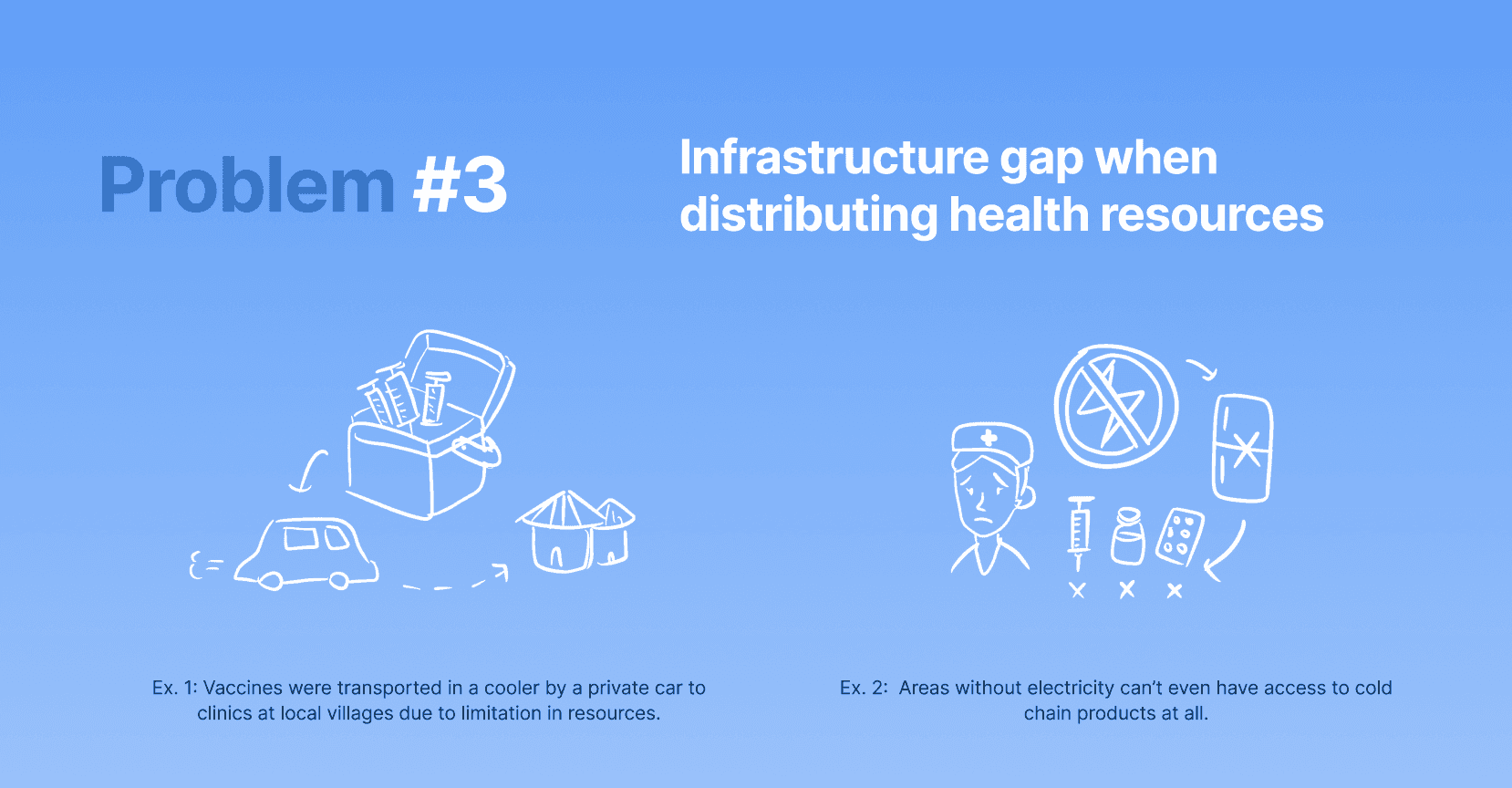
We summarize the problems into 3 storyboards:
ideation
scope up & narrow down
Problem Statement
How might we leverage AI to optimize health resource delivery through the last mile in cold chain?
Brainstorm Matrix
Our team break down the HMW statement into 5 categories (y axis), then inspect each from 5 user types (x axis), resulting in 5x5 = 25 problem spaces. Under each problem space, we brainstormed some ideas.
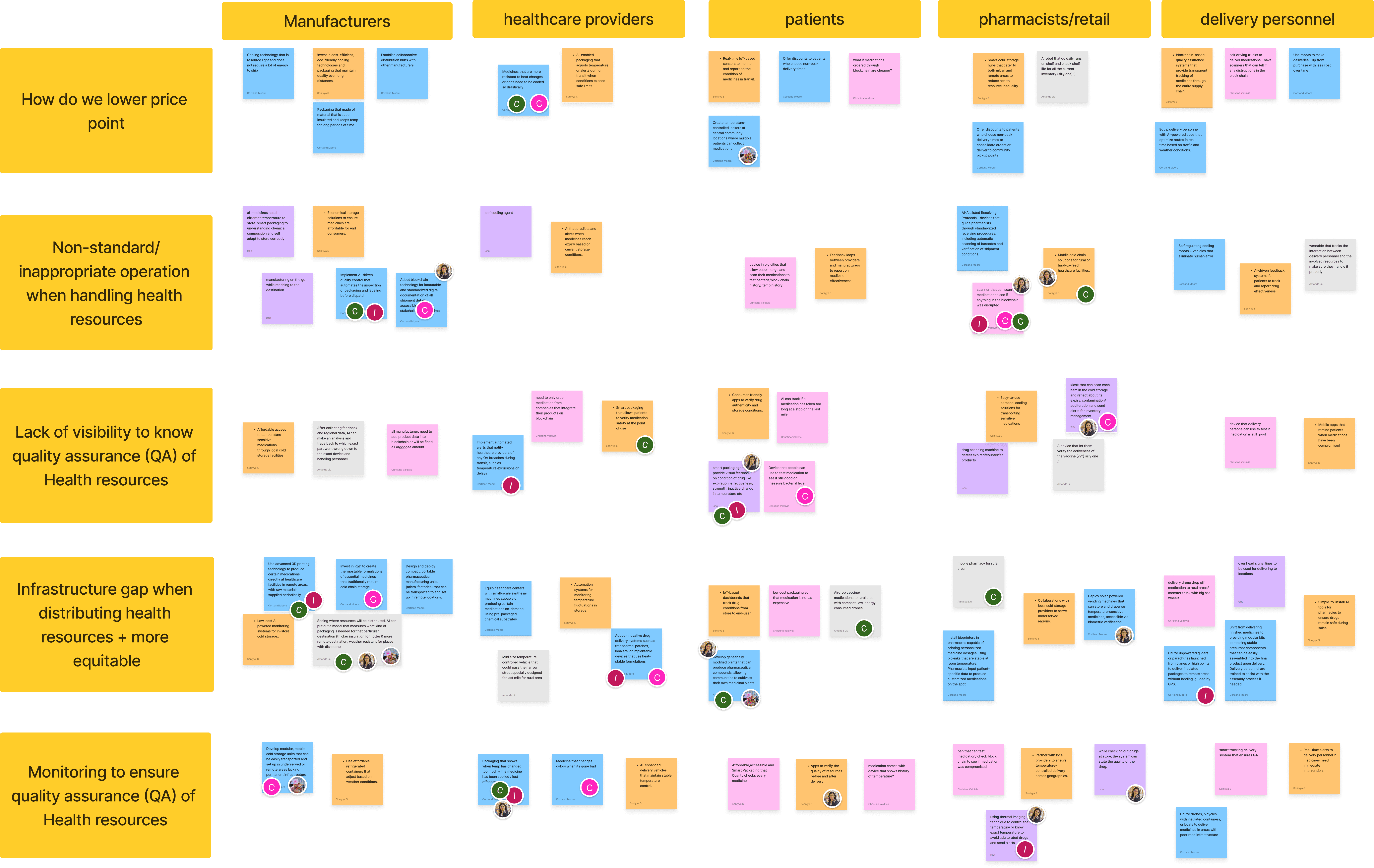
We picked few ideas to explore further.
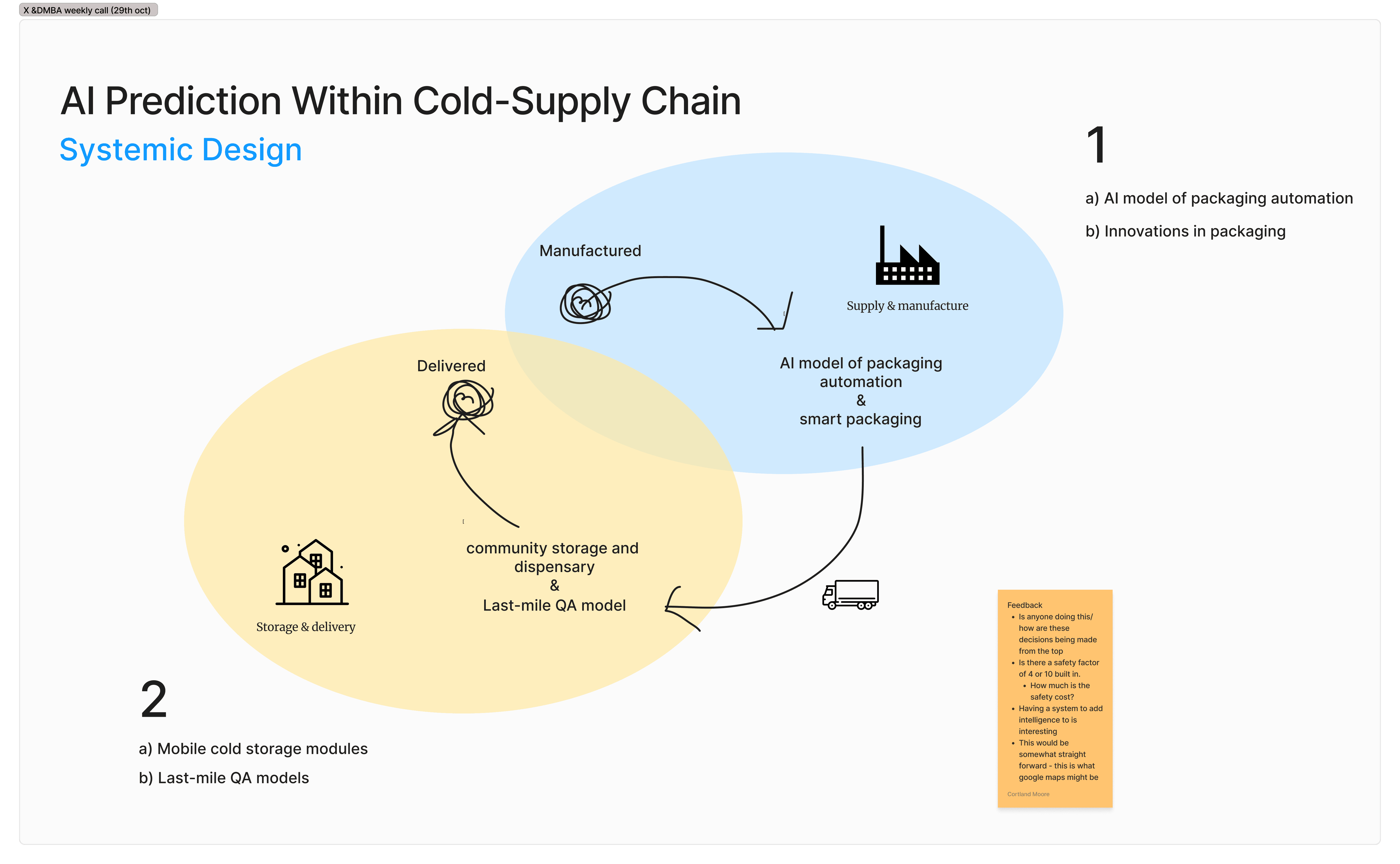
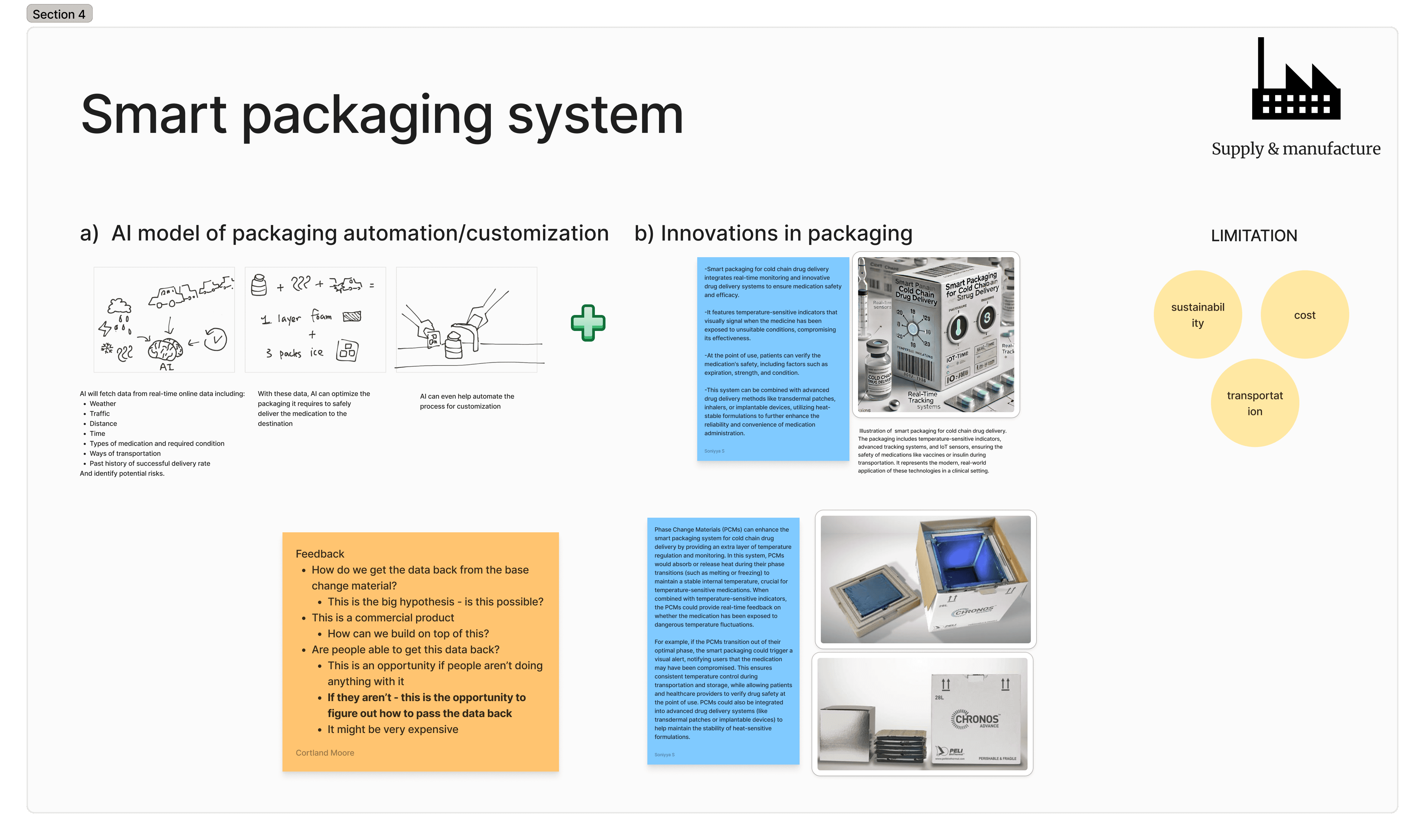
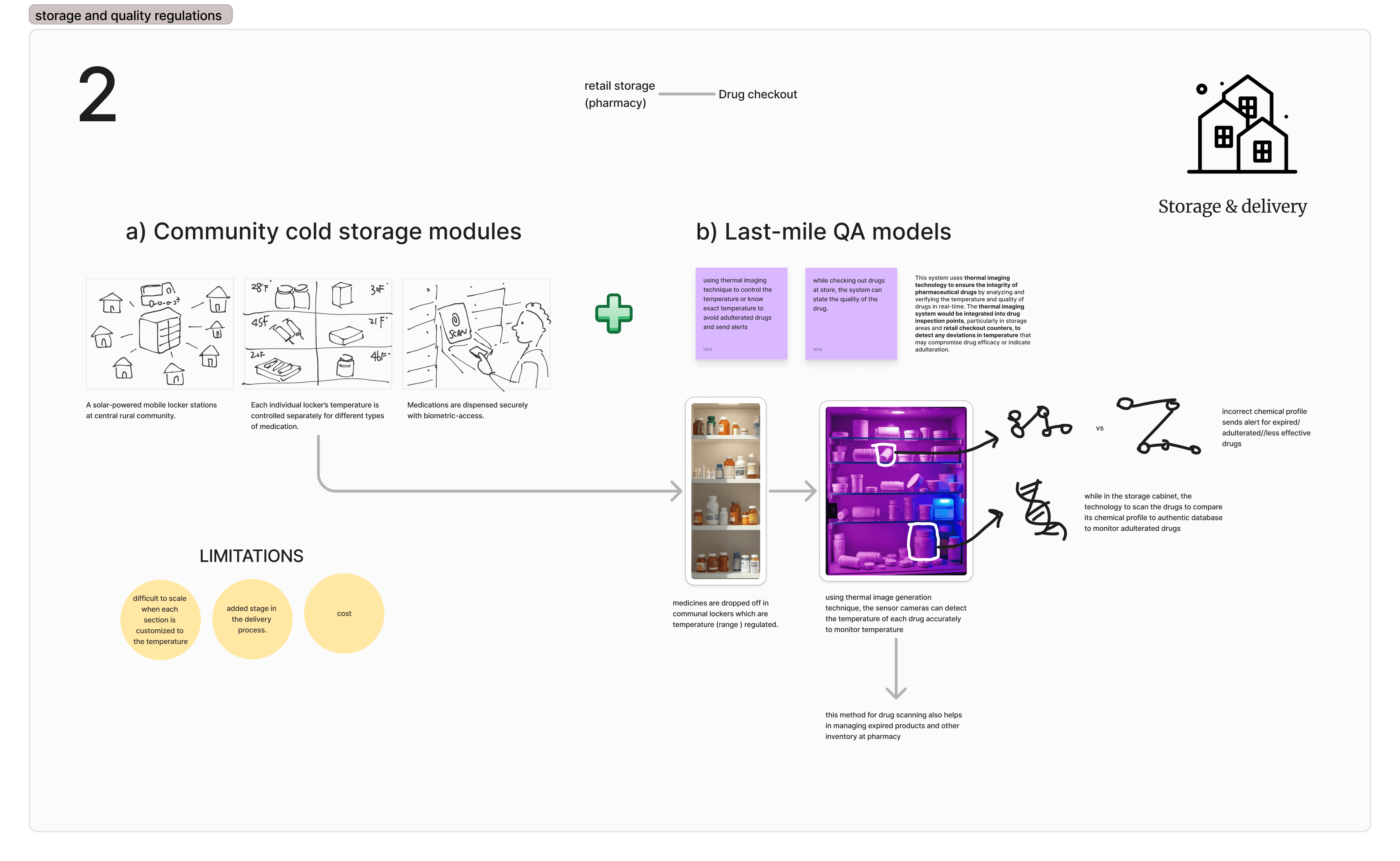
Our final idea is a community cold storage module:
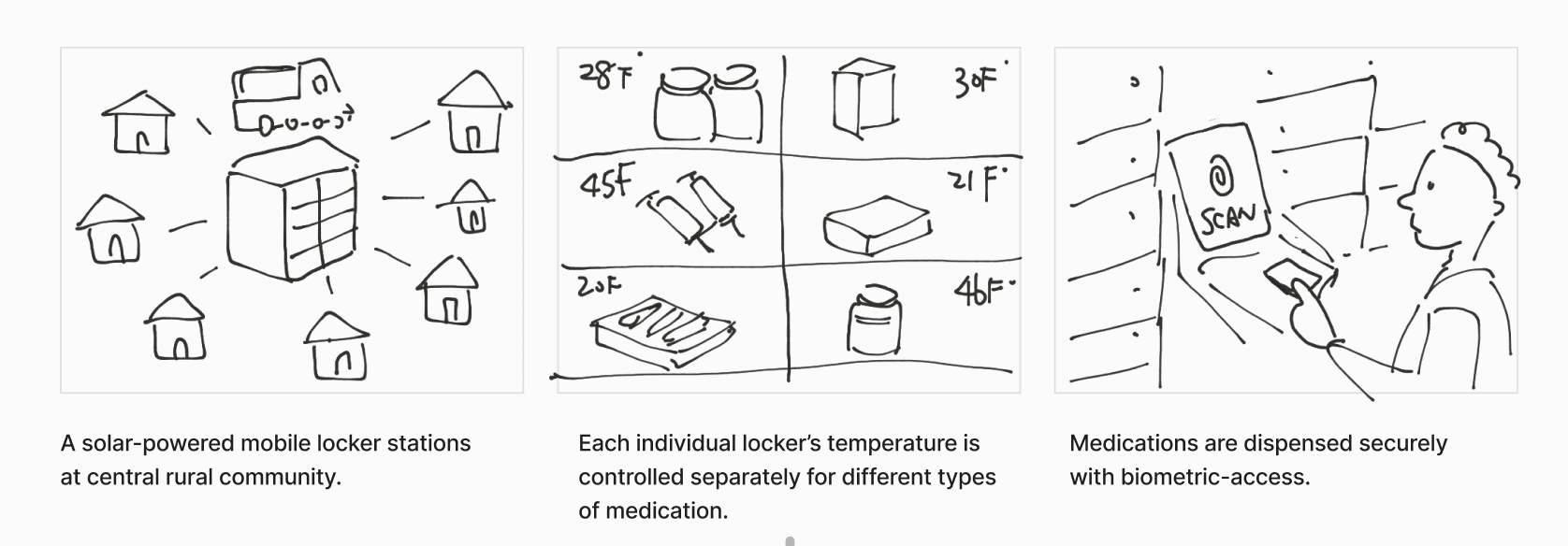
Preliminary Concept
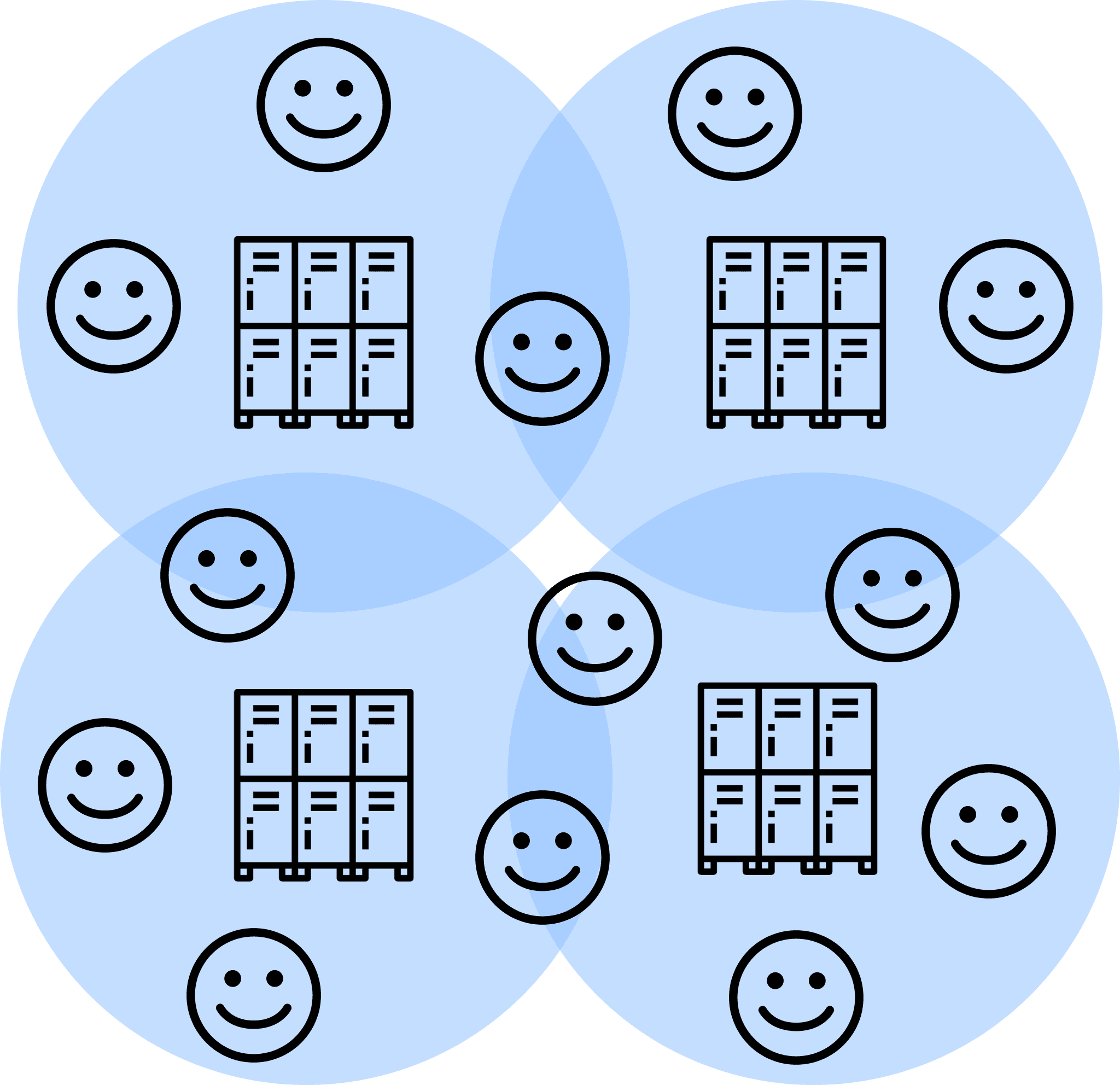
Neighborhood Smart Lockers: Decentralized Cold-Chain Hubs
Flattening the cold chain drug distribution
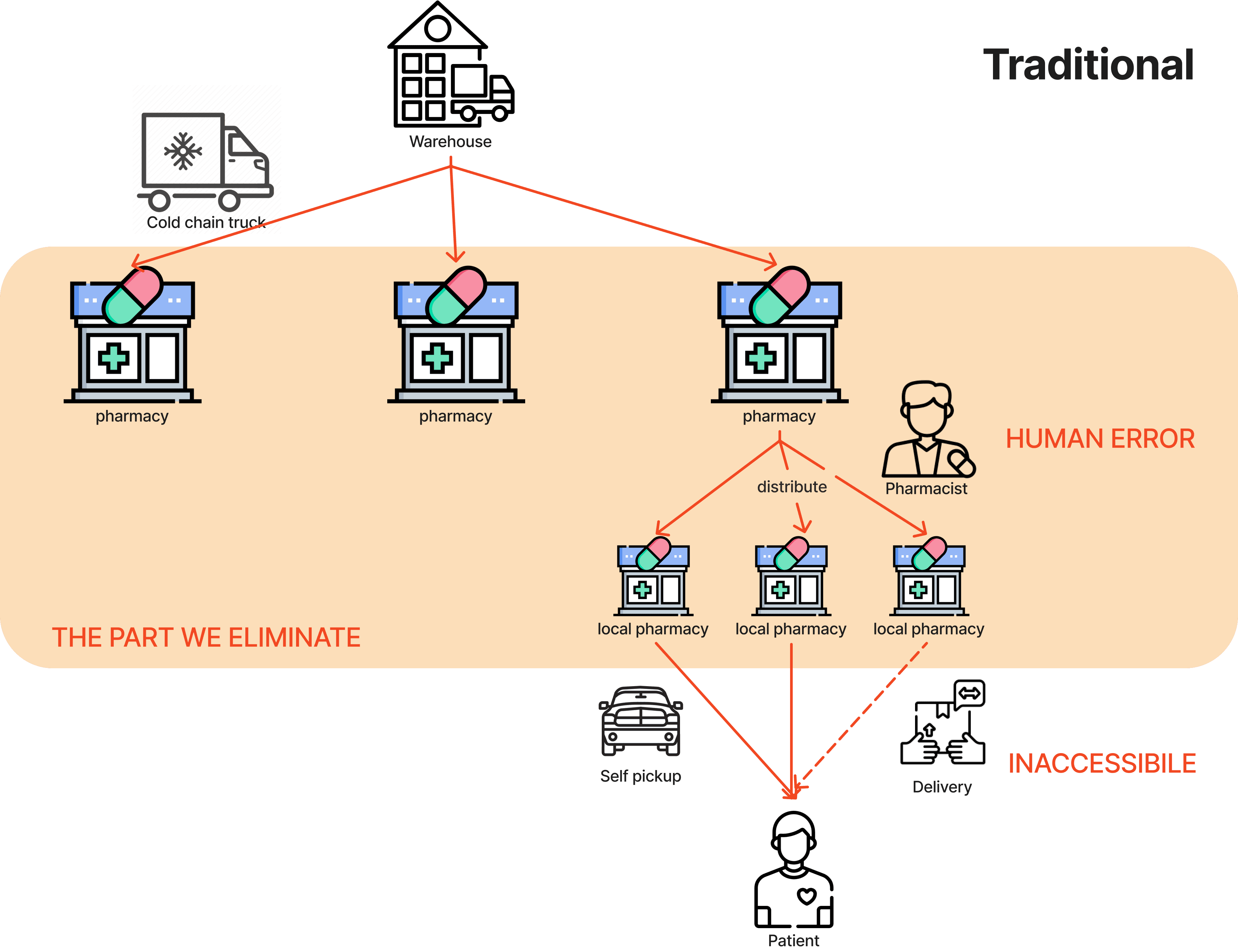
In the traditional cold-chain distribution model, pharmaceuticals move from a central warehouse through multiple pharmacy layers—first to regional outlets, then to local pharmacies—where pharmacists manage final dispensing.
This layered structure not only introduces opportunities for human error in temperature control and handling, but also thrusts patients into the “last-mile” dilemma: they must either travel to pick up medications (often inaccessible in rural areas) or pay premium delivery fees.
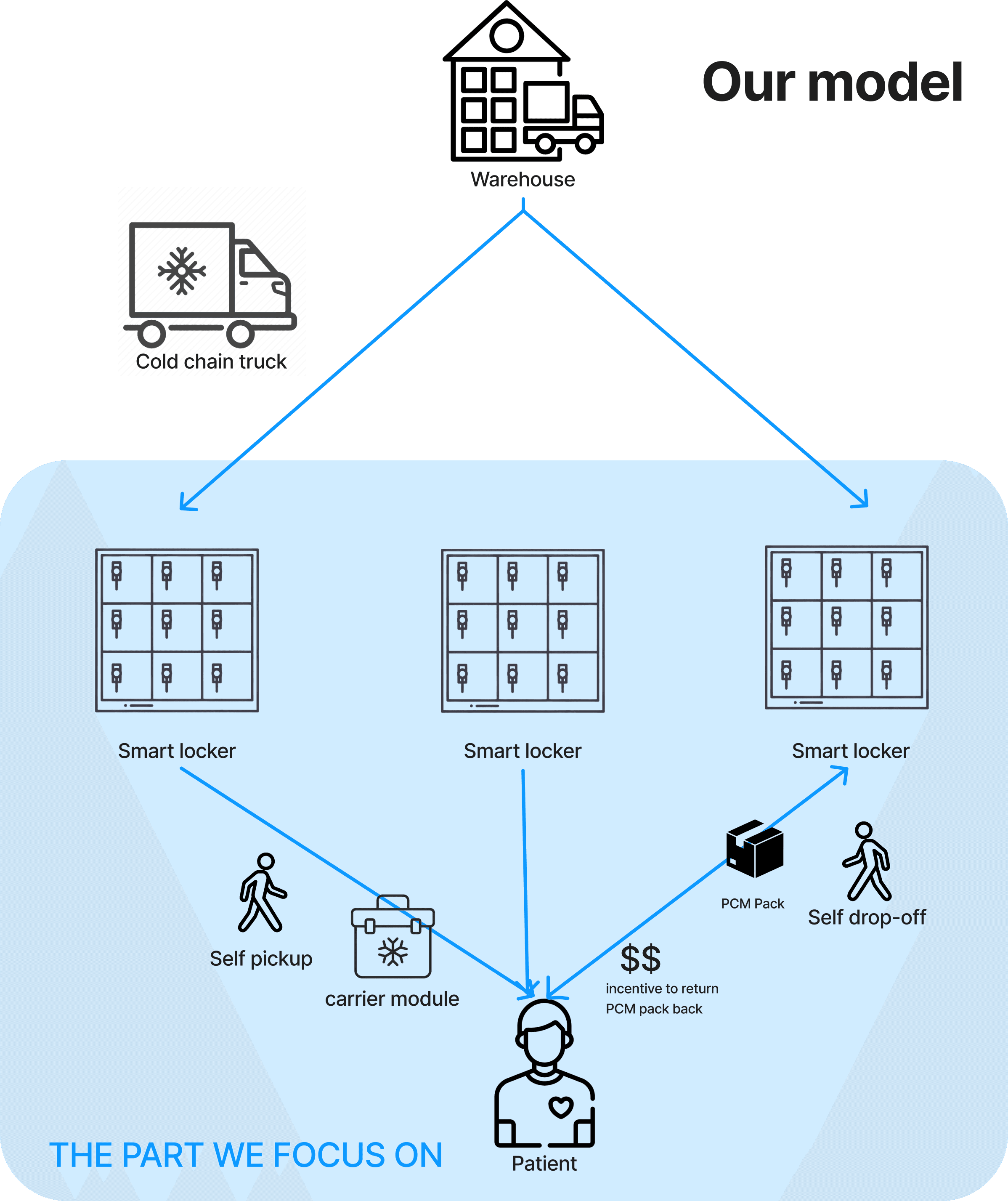
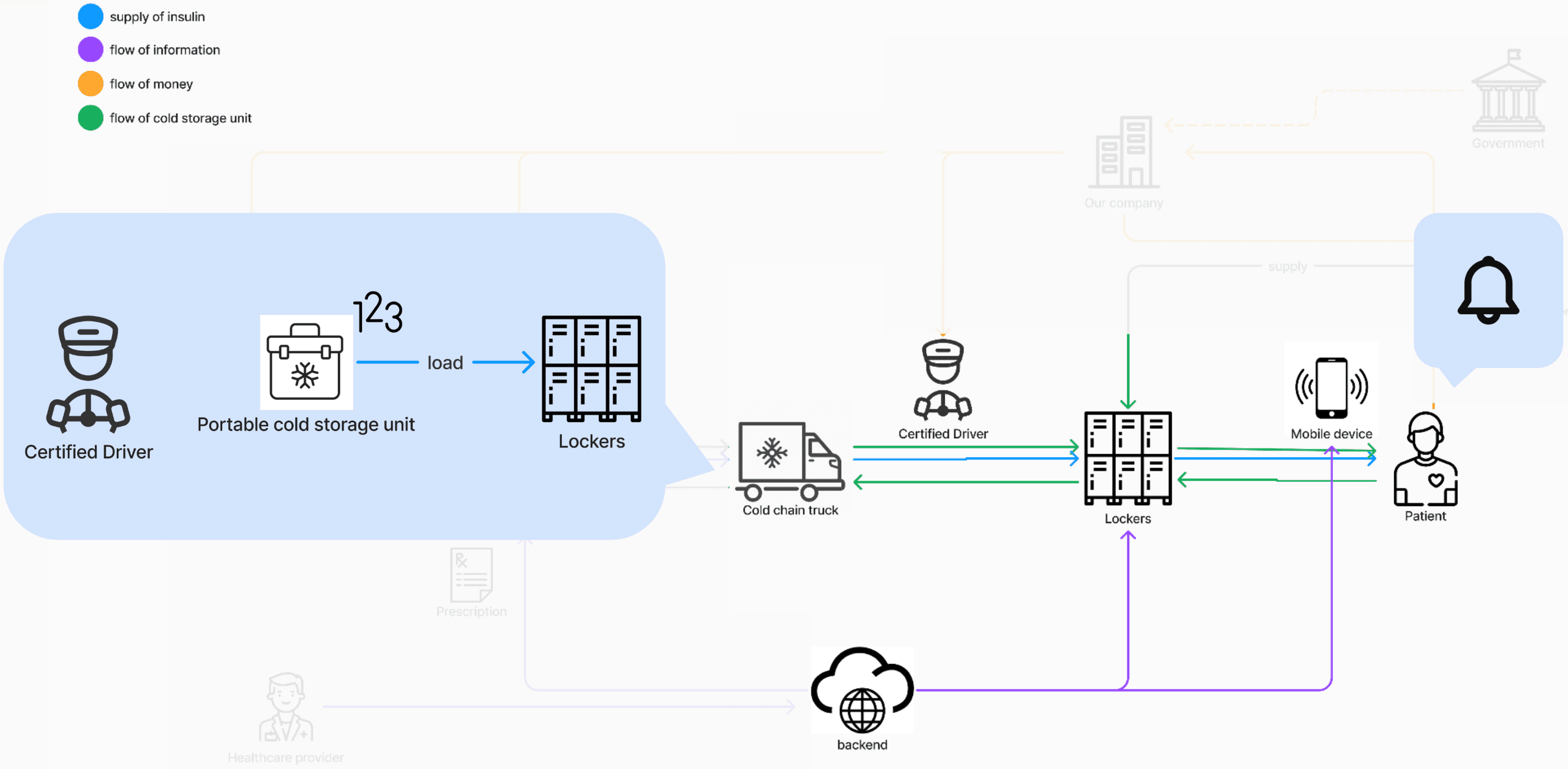
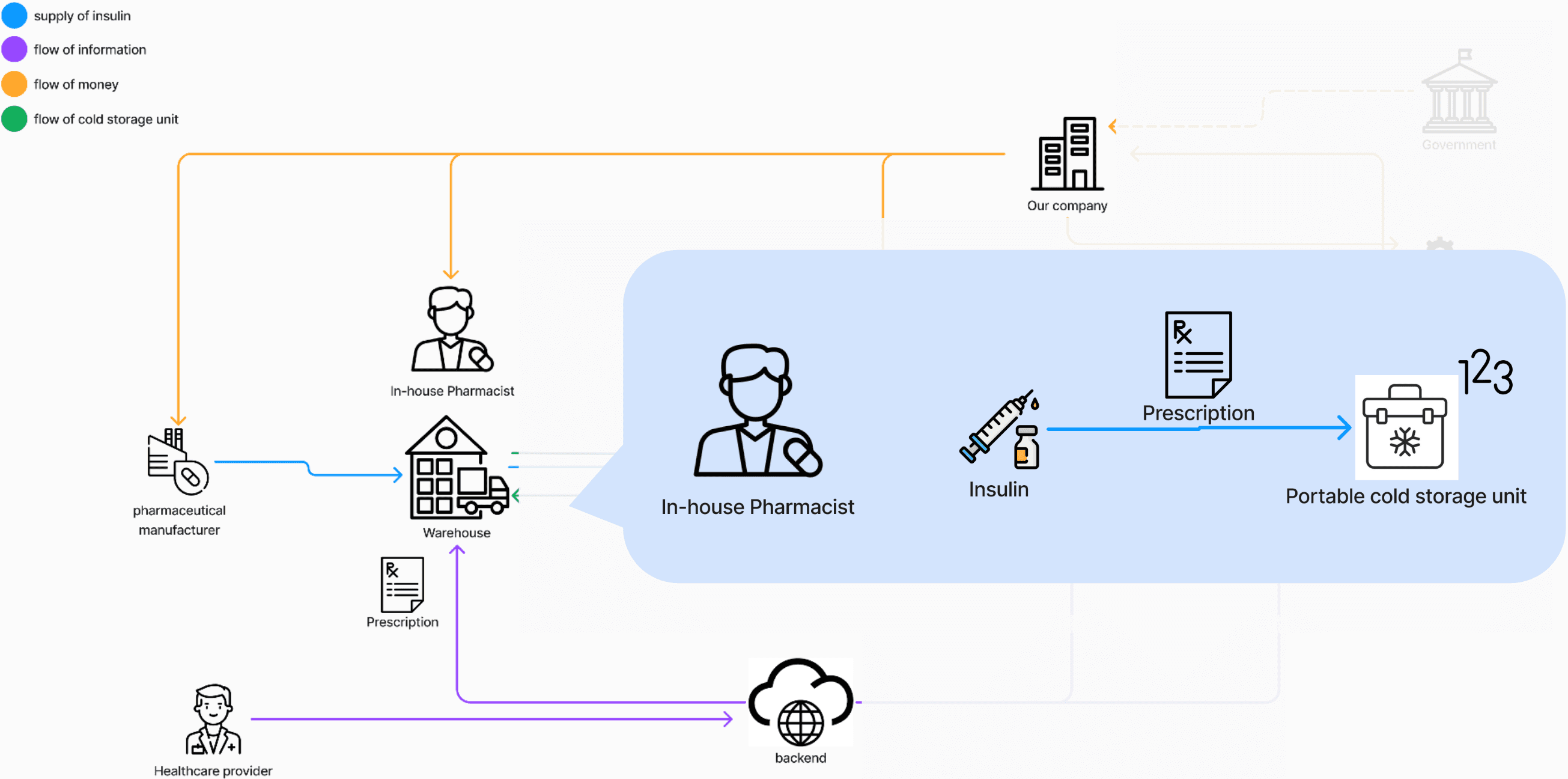
Our model flattens the hierarchy by routing temperature-controlled shipments directly from the warehouse into neighborhood smart lockers. This streamlined flow eliminates an entire distribution tier, minimizes handling risk, and offers patients convenient, cost-effective access to vital medications right in their community.
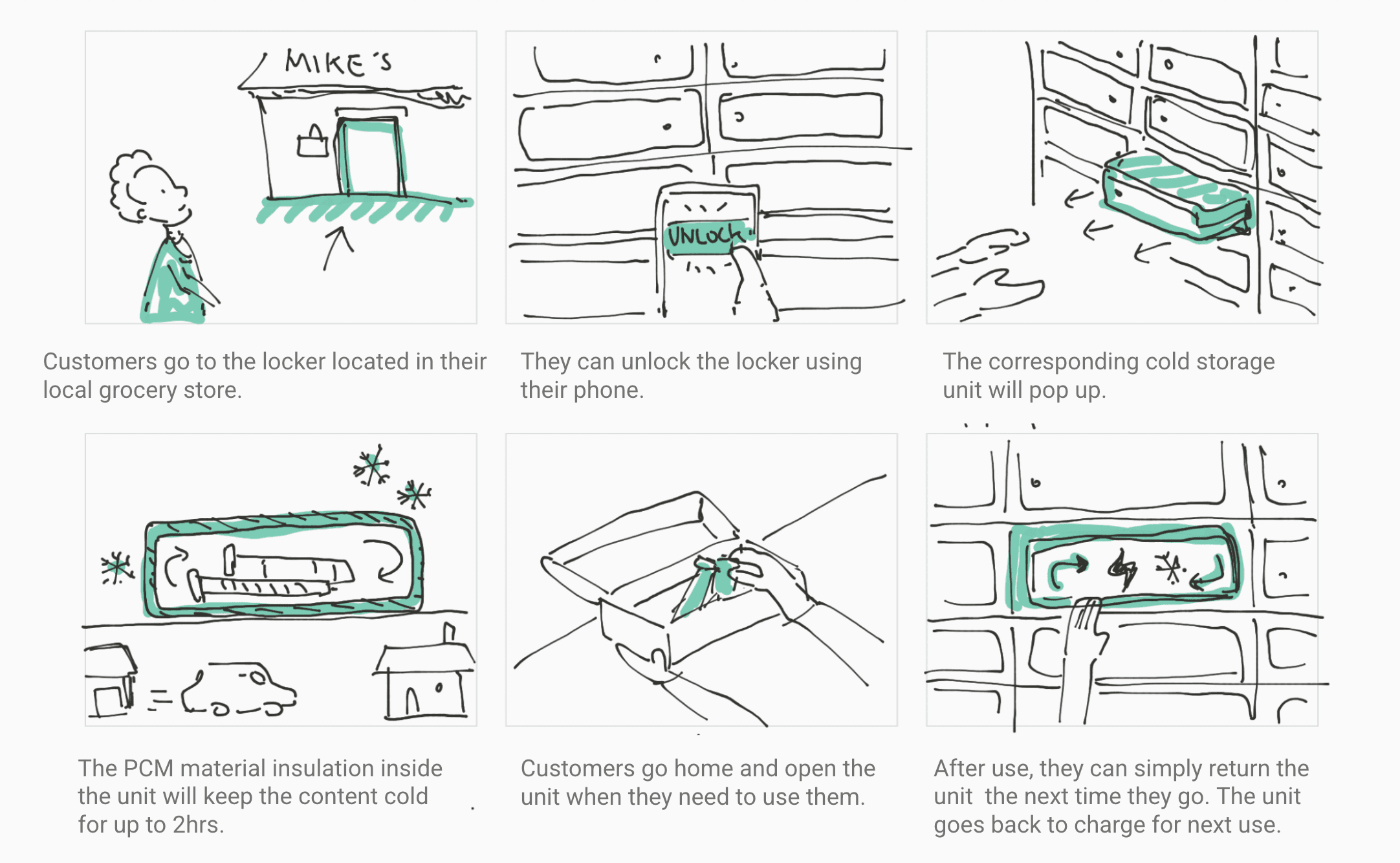
Storyboard
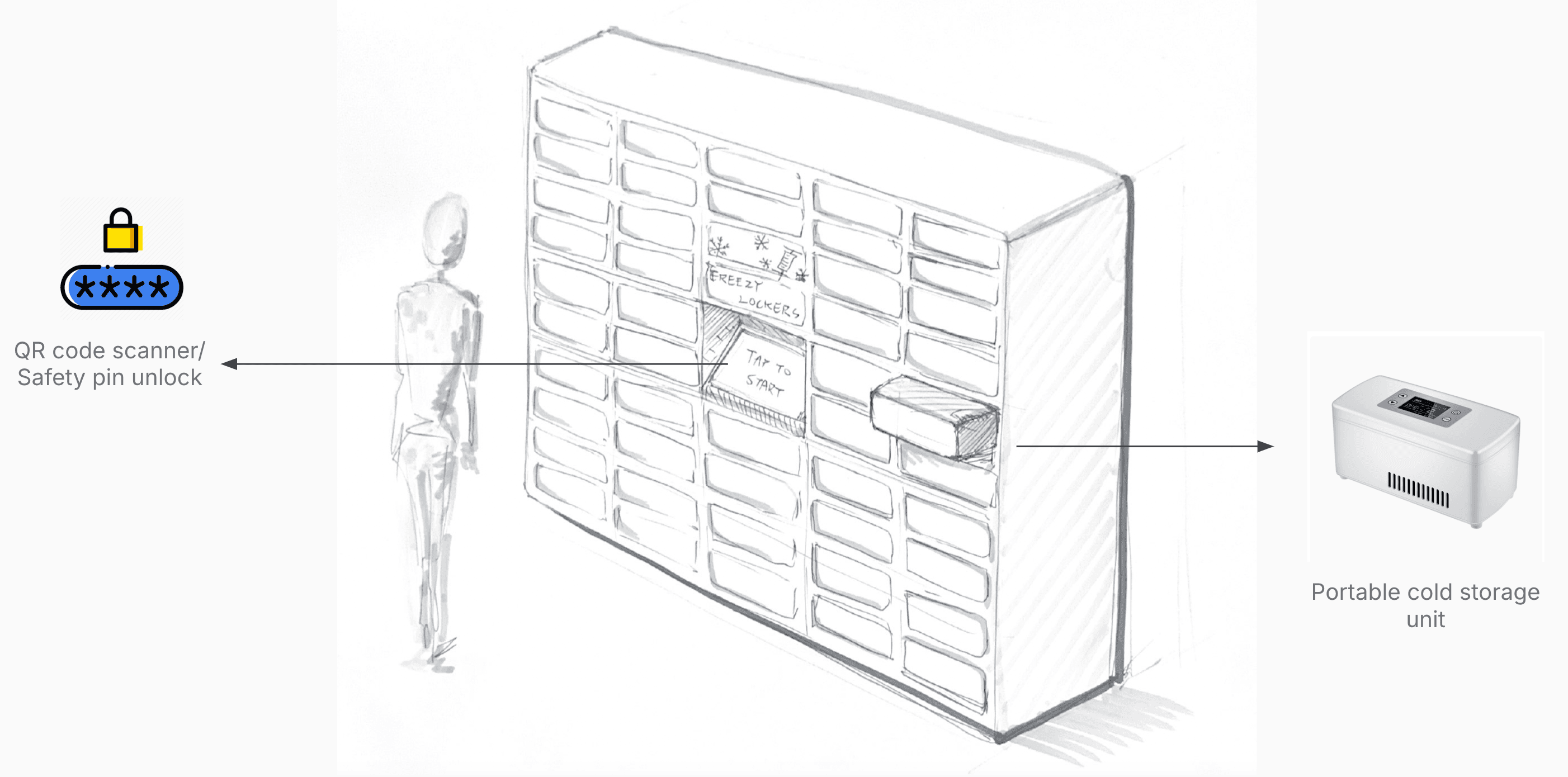
Visualization
Ecosystem Map
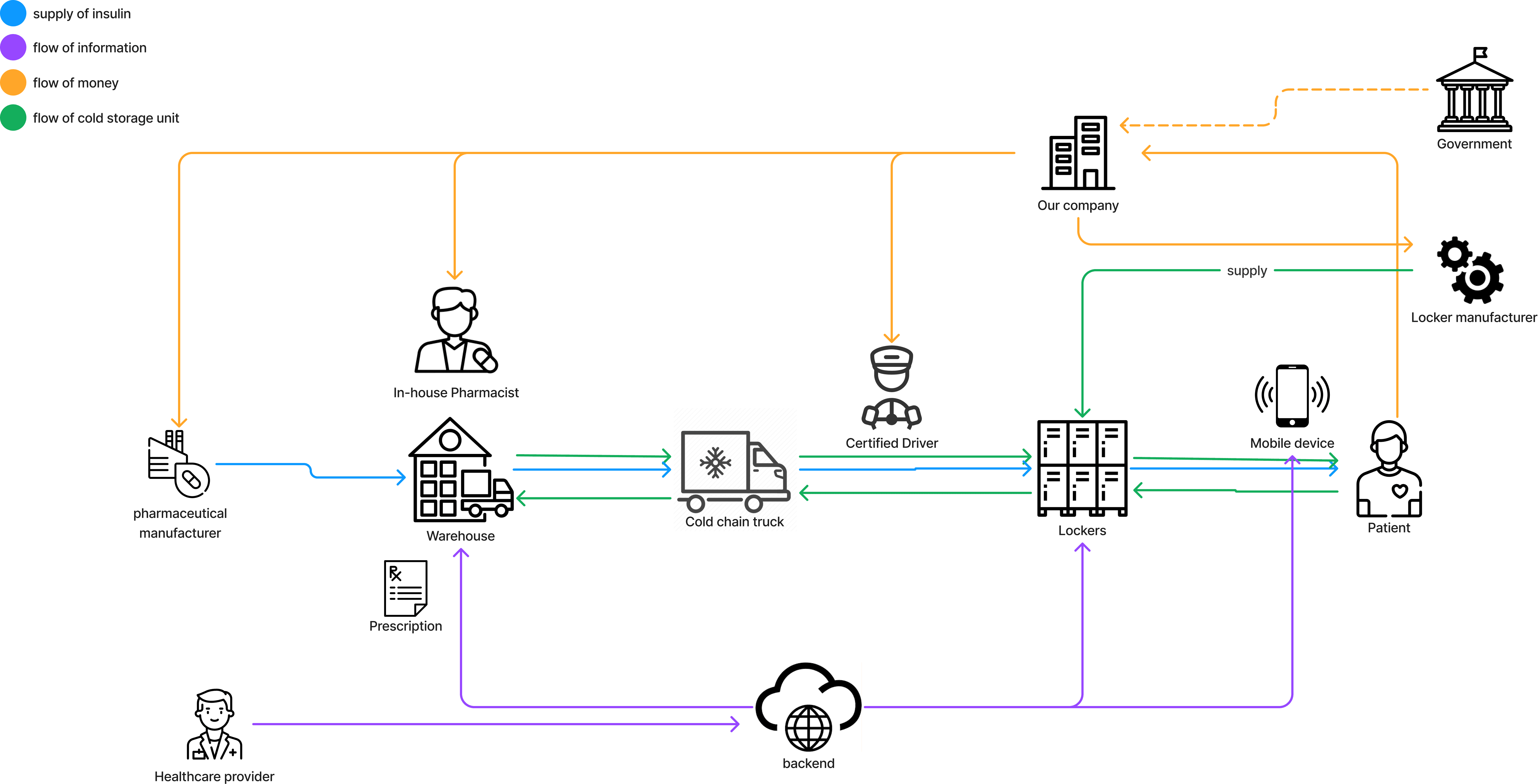
Our Partners
The smart lockers can be placed at the following locations:
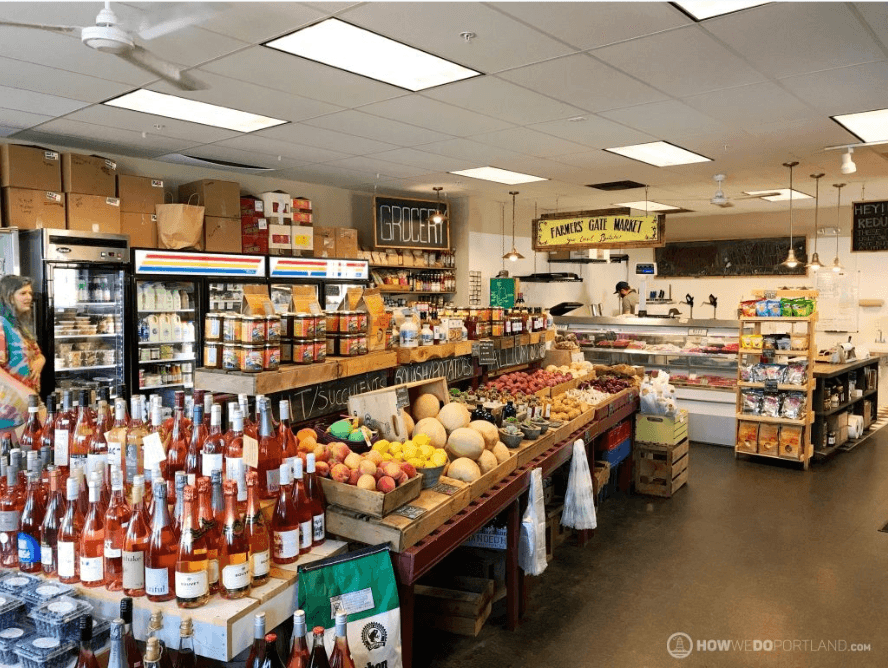
Local grocery store
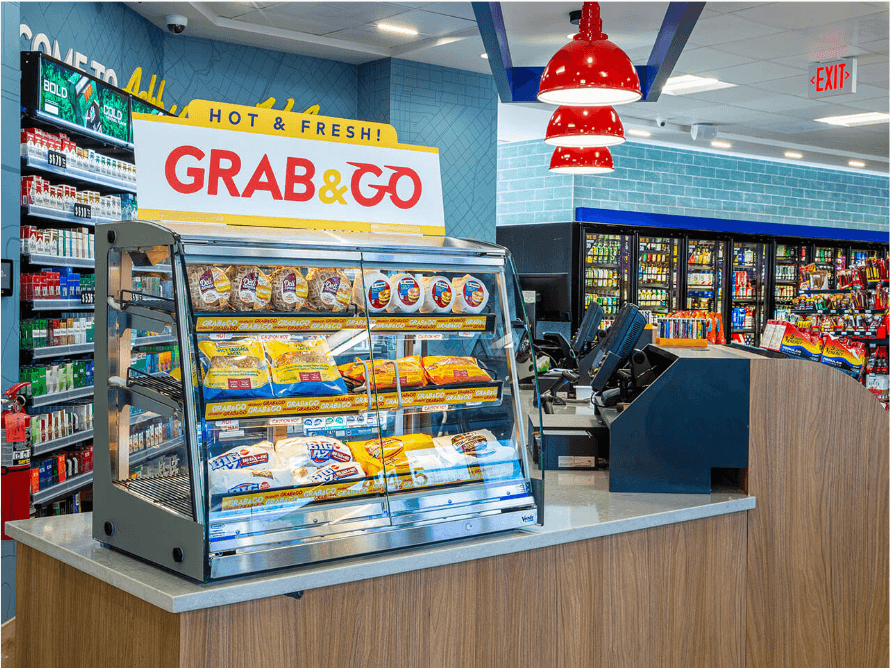
Gas station convenience store
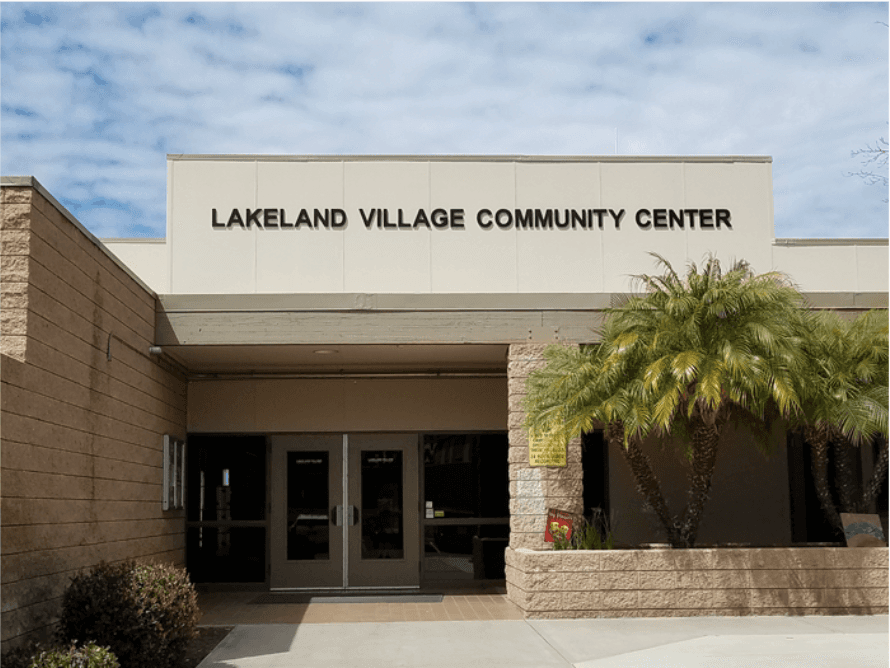
Community center
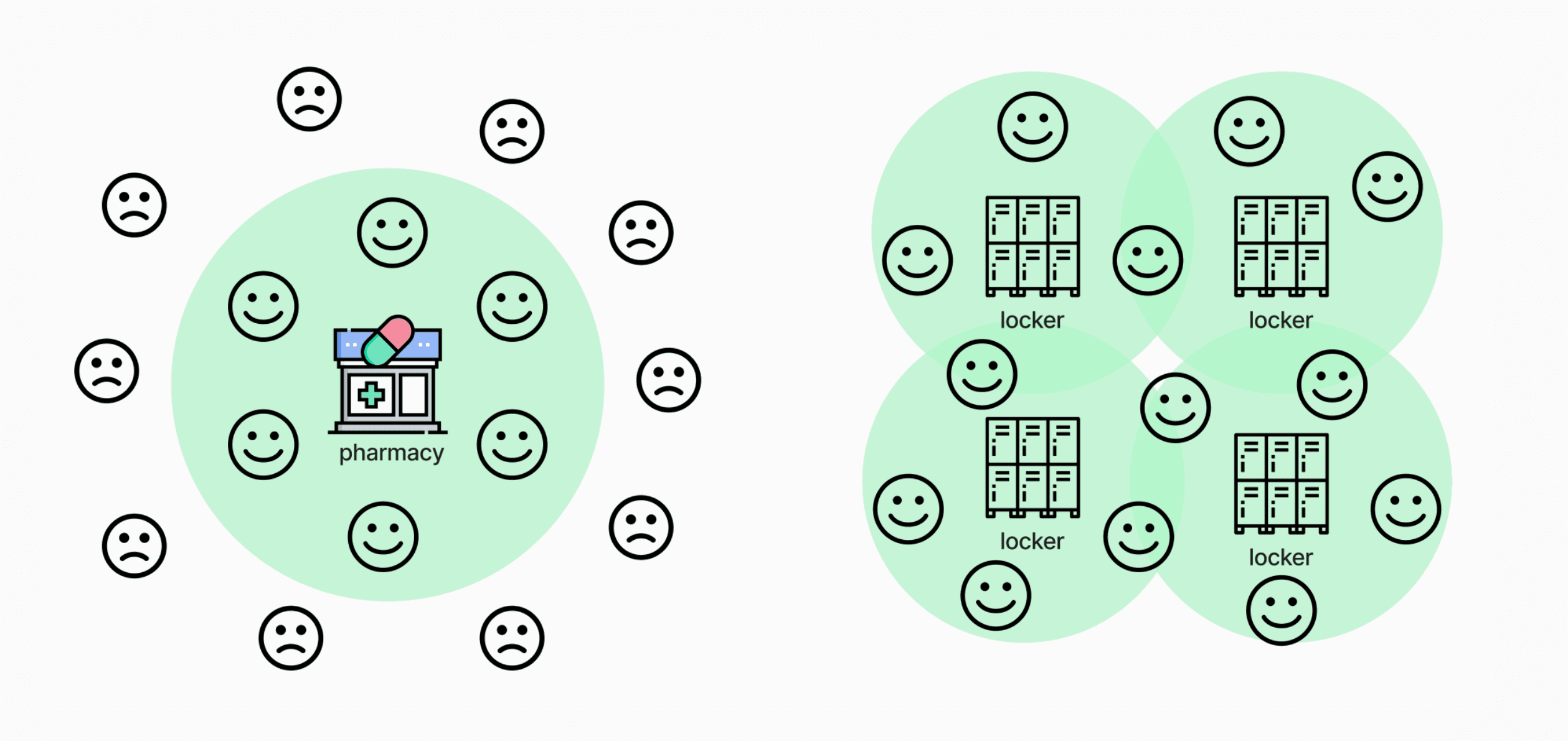
A Decentralized Model
By deploying smart lockers—compact, mobile pharmacy units—throughout neighborhoods, we expand access and eliminate the last-mile hurdle.
This secure, community-based network ensures that temperature-sensitive medications are both reliably stored and conveniently accessible.
vision & next step
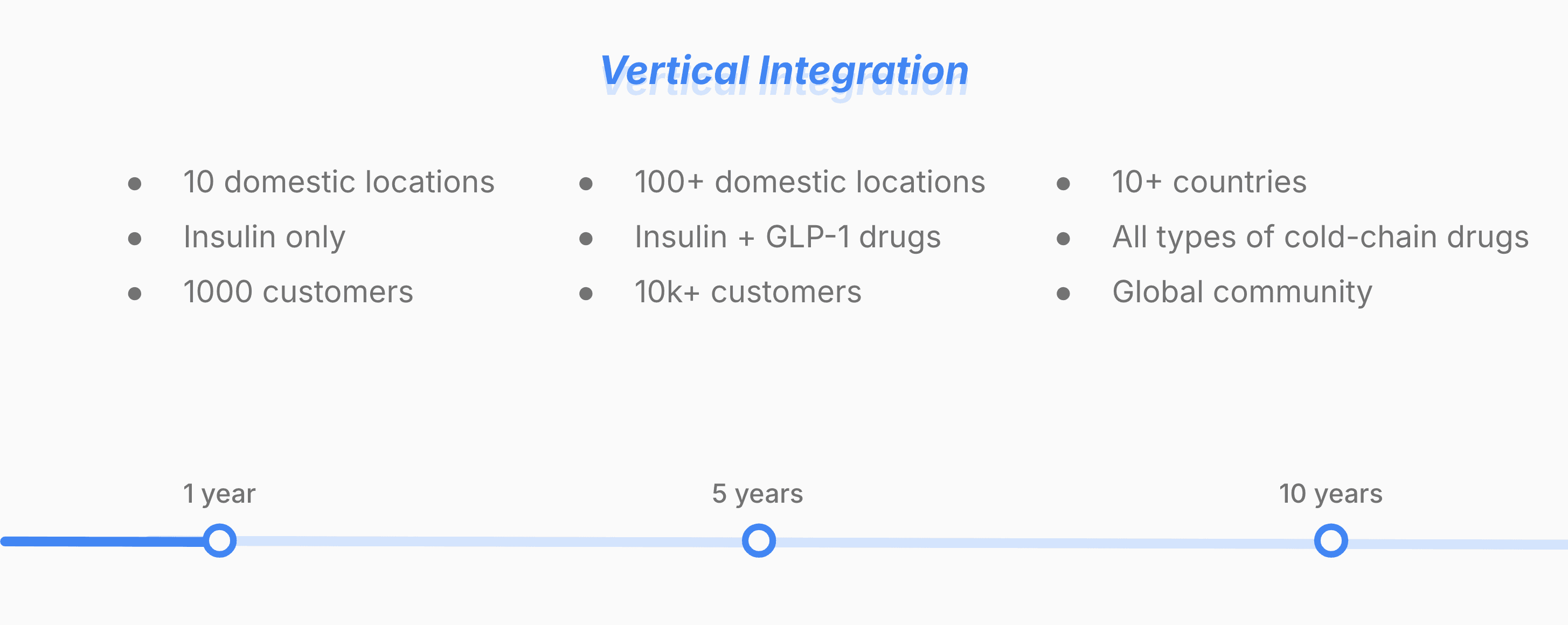
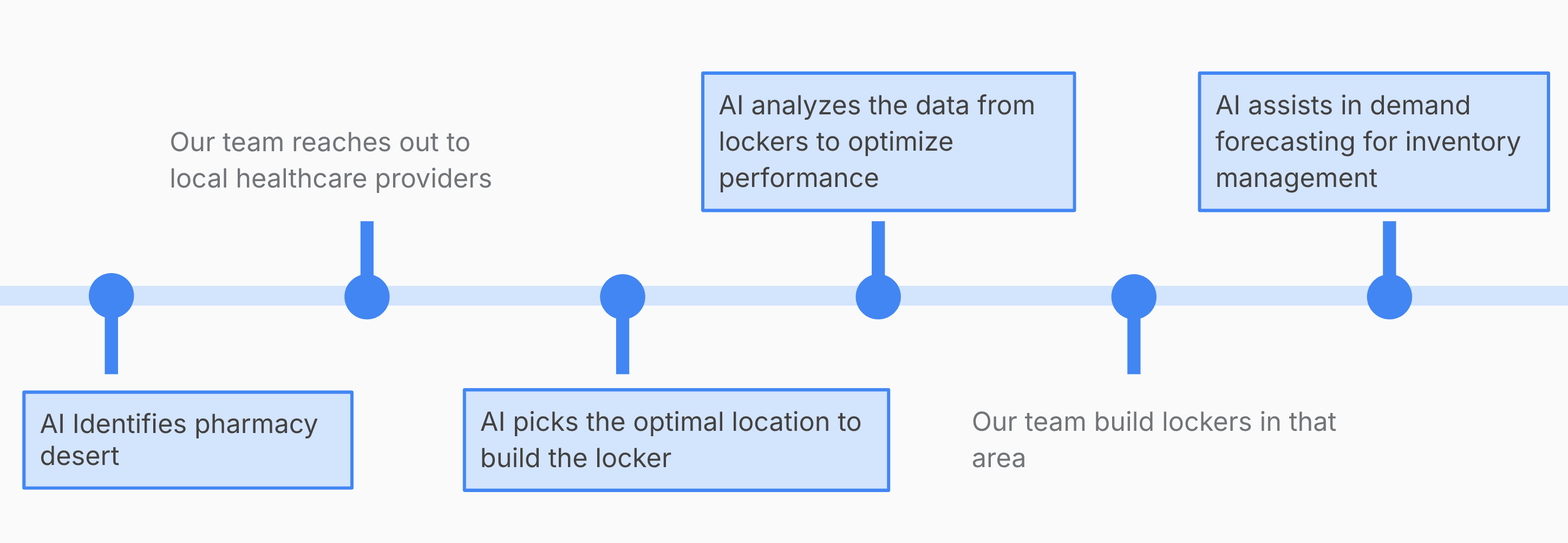
Empowering Education, Breaking social Barriers
Future Challenges
There are still questions unsolved like:
How can we incentivize hospitals and governments to utilize our smart lockers?
How can we overcome regulation challenges (FDA, EMA, local health authorities)?
How can we ensure secure delivery of drugs?
How do we manage restocking and routine maintenance at dispersed locker sites without introducing human-error risks?
What customer-support and training infrastructure is required to build a new channel?
reflection
Embracing the unknown to achieve the 10x
Despite significant regulatory and logistical challenges that make real-world implementation unlikely, our team embraced the unknown and tackled a problem outside our comfort zone.
By pushing boundaries with bold, imaginative thinking, I believe it is a true 10x solution—one that reimagines last-mile cold-chain delivery and demonstrates our capacity for radical innovation.